
Effective pet grooming at home: essential tips for 2026
Grooming your pet at home shouldn’t feel overwhelming, yet many owners struggle with knowing which tools to use and how to keep their furry companions calm during the process. Mastering home grooming saves money, reduces stress for pets who dislike salon visits, and strengthens your bond through regular care. This guide walks you through the essential tools, step-by-step techniques, and behavior management strategies you need to groom your pet safely and effectively at home.
Key takeaways
| Point | Details |
|---|---|
| Proper preparation is essential | Gather the right tools, check your pet’s health, and set up a safe, well-lit grooming space before starting. |
| Follow a systematic process | Work through bathing, drying, brushing, nail trimming, and ear cleaning in order for best results. |
| Clean tools after every session | Disinfecting brushes, combs, and clippers prevents infection and cross-contamination between grooming sessions. |
| Manage stress with positive reinforcement | Use treats, breaks, and gentle handling to keep your pet calm and cooperative throughout grooming. |
| Regular grooming saves money | Grooming every 4 to 6 weeks at home reduces professional service costs and prevents health issues. |
Context and importance of home pet grooming
Approximately 62% of American households own a pet, creating a massive audience of owners who can benefit from mastering home grooming skills. The pet care industry growth demonstrates rising demand, with professional services reaching substantial market size. Home grooming offers a practical alternative that saves money while providing a more comfortable experience for pets who find salon environments stressful.
Regular grooming at home delivers multiple benefits:
- Maintains coat health by removing mats, tangles, and dead fur that trap dirt and moisture
- Reduces shedding throughout your home and minimizes allergen exposure
- Allows early detection of skin problems, lumps, parasites, or injuries during routine checks
- Strengthens the bond between you and your pet through consistent, gentle handling
- Saves hundreds of dollars annually compared to professional grooming appointments
Proper home grooming prevents costly veterinary visits by catching health issues early. Matted fur can hide infections, while overgrown nails lead to painful joint problems. Taking control of your pet’s grooming routine gives you regular opportunities to monitor their overall health. Many pets also experience less anxiety when groomed by familiar hands in their own environment, making the process smoother for everyone involved.
Prerequisites: what you need before starting
Successful grooming begins with proper preparation. Rushing into a session without the right tools or safety checks creates unnecessary stress and potential harm. Pet grooming requires specific techniques to avoid injury, so consulting about your pet’s health and temperament before starting increases both safety and effectiveness.
Essential grooming tools vary by pet type but typically include:
- Brushes and combs matched to your pet’s coat length and texture
- Pet-specific shampoo formulated for sensitive skin without harsh chemicals
- Nail clippers or grinders sized appropriately for your pet’s nails
- Cotton balls and ear cleaning solution designed for pets
- Towels or a pet-safe blow dryer for thorough drying
- Treats and toys to provide positive reinforcement during sessions
| Tool Category | Purpose | Selection Criteria |
|---|---|---|
| Brushes | Remove loose fur, prevent mats | Match bristle type to coat length |
| Shampoo | Clean coat and skin | Choose pH-balanced, pet-safe formulas |
| Nail tools | Trim overgrown nails safely | Size clippers to nail thickness |
| Drying equipment | Prevent skin irritation | Use low-heat settings only |
Before each grooming session, assess your pet’s current health and mood. Grooming a sick, injured, or highly anxious pet can worsen their condition. Check for cuts, rashes, or tender areas that need veterinary attention first. Set up your grooming area in a quiet, well-lit space with secure footing to prevent slips. A bathroom or laundry room often works well, giving you access to water and easy cleanup afterward.
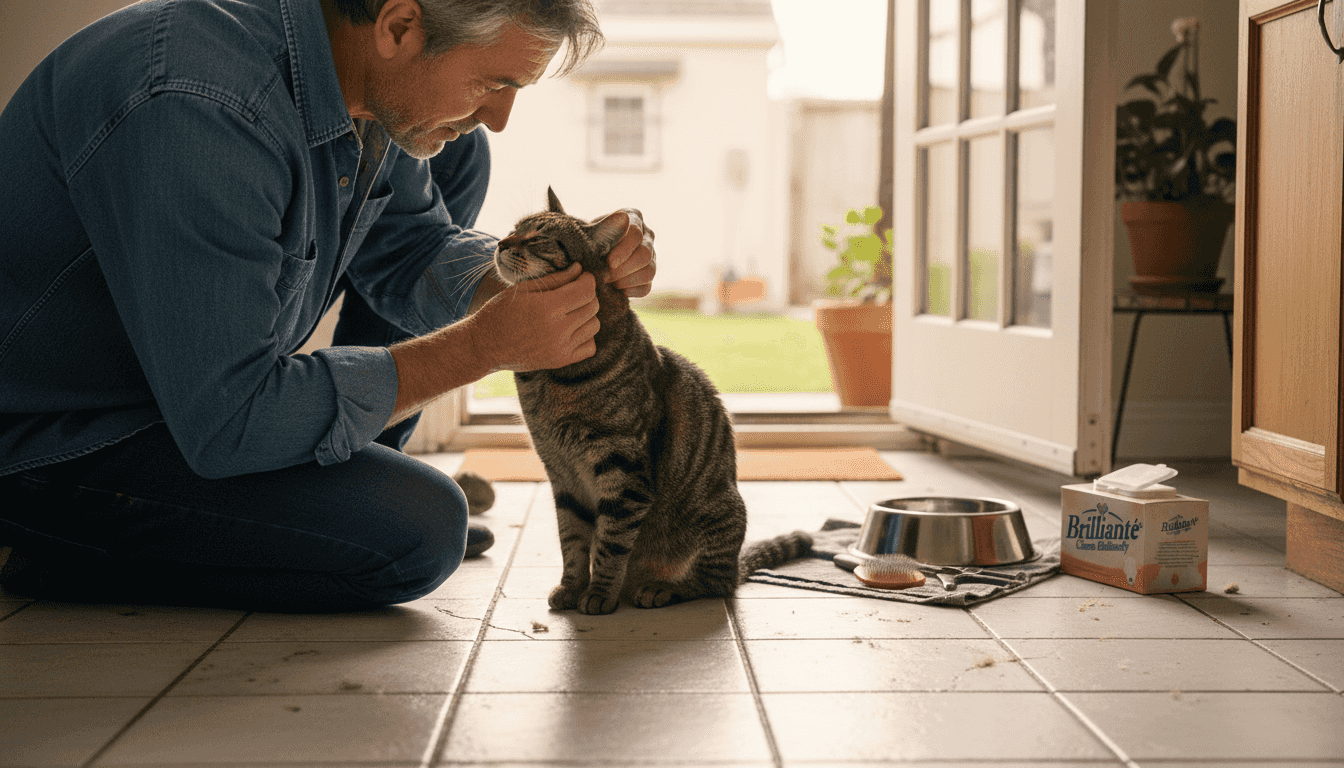
Pro Tip: Create a daily chore checklist that includes gathering all grooming supplies the night before your session, ensuring nothing gets forgotten when your pet is already in the tub.
Step-by-step home grooming process
A systematic approach to grooming ensures you don’t skip important steps while keeping your pet comfortable throughout. Bathing pets with lukewarm water and thoroughly drying them prevents skin irritation and promotes comfort during home grooming sessions.
Follow this sequence for best results:
- Begin with gentle brushing to remove tangles and loose fur before water makes mats worse
- Prepare the bathing area with lukewarm water between 99 and 102 degrees Fahrenheit
- Wet your pet’s coat thoroughly, avoiding water in ears and eyes
- Apply pet-safe shampoo and massage gently from neck to tail, working up a lather
- Rinse completely, ensuring no soap residue remains that could irritate skin
- Dry with towels or a pet-specific dryer on low heat, paying attention to sensitive areas
Nail trimming requires extra care to avoid cutting the quick, which causes bleeding and pain. Trim small amounts gradually, looking for the pink area inside light-colored nails that indicates where nerves and blood vessels begin. For dark nails, trim tiny bits at a time and stop when you see a gray or pink oval on the cut surface. Keep styptic powder nearby to stop bleeding if you accidentally cut too short.
Ear cleaning removes wax buildup and debris that can lead to infections:
- Apply pet ear cleaning solution to a cotton ball, never pouring directly into the ear canal
- Wipe visible areas of the outer ear gently without pushing debris deeper
- Check for redness, swelling, or unusual odor that signals the need for veterinary care
- Clean ears only when visibly dirty, as over-cleaning can cause irritation
Break longer grooming sessions into manageable segments. Offer treats and praise throughout to build positive associations. If your pet becomes stressed, pause and resume later rather than forcing them to endure discomfort. Keeping sessions positive today makes future grooming much easier.
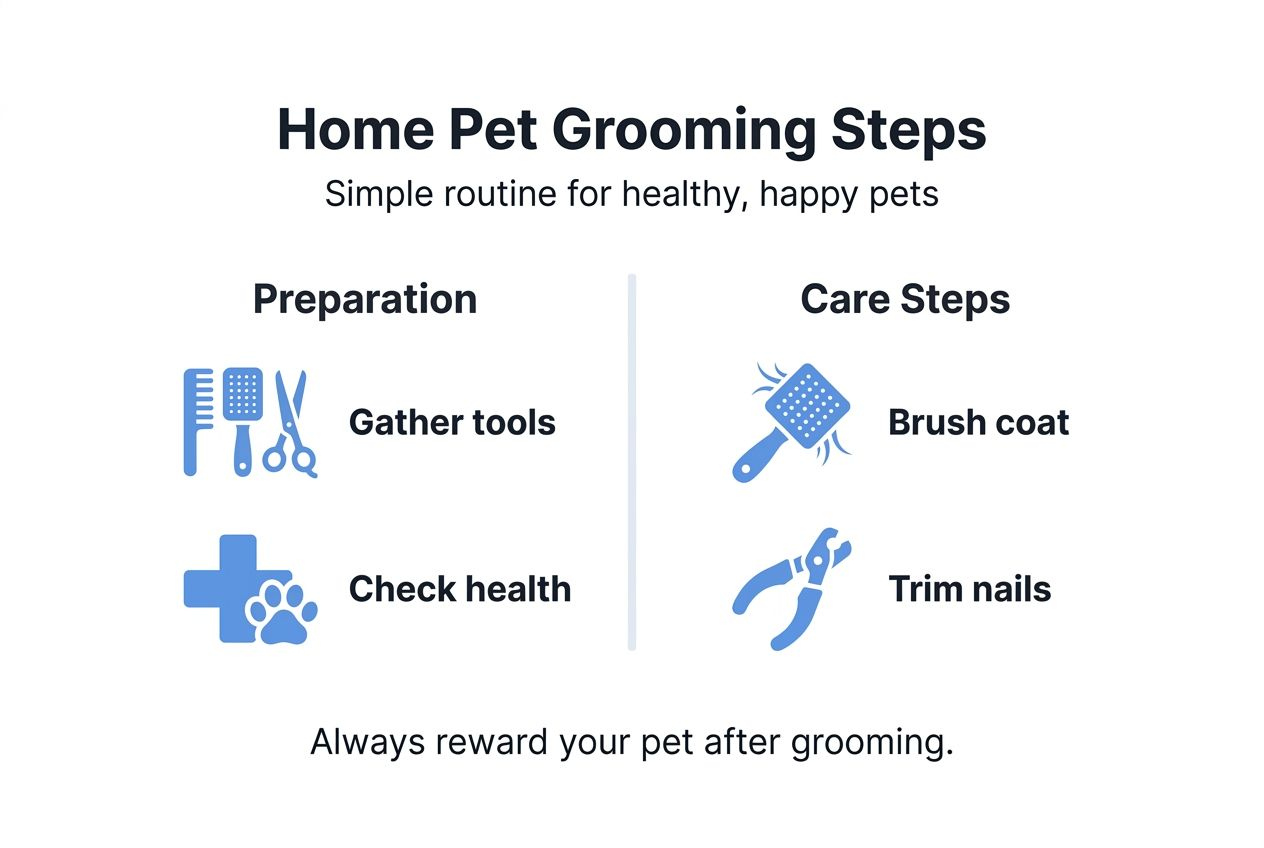
Pro Tip: Reference your daily chore checklist approach to build a grooming routine checklist, ensuring consistency and thoroughness every time.
Maintaining hygiene and cleaning grooming tools
Cleaning your grooming tools protects your pet from bacterial and fungal infections that spread through contaminated equipment. Proper cleaning and disinfecting of pet grooming tools after each use reduces risk of transmitting germs and infections between grooming sessions.
Implement these hygiene practices immediately:
- Remove all hair from brushes, combs, and clippers after every use
- Wash tools with warm, soapy water to eliminate organic material
- Disinfect with pet-safe solutions, avoiding harsh chemicals that leave harmful residues
- Dry tools completely before storage to prevent rust and bacterial growth
- Store grooming supplies in a designated area away from food and general household items
Beyond tools, maintain your pet’s living environment to support overall health. Daily cleaning of food and water bowls prevents bacterial buildup. Weekly washing of bedding in hot water eliminates parasites, dander, and dirt. Proper disposal of pet waste keeps your yard and home sanitary.
| Cleaning Task | Frequency | Method |
|---|---|---|
| Brushes and combs | After each use | Soap, water, pet-safe disinfectant |
| Food and water bowls | Daily | Hot soapy water or dishwasher |
| Bedding and blankets | Weekly | Hot water wash and dryer |
| Grooming area surfaces | After each session | Pet-safe disinfecting spray |
Cross-contamination poses real risks when grooming multiple pets. Use separate tools for each animal or disinfect thoroughly between grooming sessions. Never share grooming supplies with pets outside your household. These simple precautions prevent spreading skin conditions, parasites, or infections.
Applying eco-friendly cleaning tips to your pet care routine reduces chemical exposure while maintaining cleanliness standards.
Common mistakes and troubleshooting
Even experienced pet owners make grooming errors that cause discomfort or injury. Cutting nails too short causes bleeding and pain, so trimming nails gradually while avoiding the quick prevents injury. Learning from common mistakes helps you refine your technique and keep your pet safe.
Avoid these frequent errors:
- Over-trimming nails in a rush instead of taking small cuts and checking progress
- Using restraints that restrict breathing or circulation during grooming sessions
- Applying human shampoos or harsh chemicals not formulated for pet skin pH levels
- Skipping brushing before bathing, which sets mats and tangles permanently
- Ignoring signs of skin problems like redness, bumps, or excessive scratching
Quick-release tethering devices prevent dangerous situations if your pet panics. Never leave a tethered pet unattended, as they can injure themselves trying to escape. Position tethers to allow comfortable standing without choking risk. If your pet shows extreme distress with any restraint, skip it and work on desensitization training instead.
When skin irritation appears after grooming, evaluate your products and techniques. Switch to gentler, fragrance-free shampoos. Ensure complete rinsing to remove all soap residue. Check water temperature, as too-hot water damages skin. If irritation persists, consult your veterinarian to rule out allergies or underlying conditions.
Pro Tip: Study common grooming mistakes to avoid in cleaning tasks, as similar principles of patience, proper tools, and gentle techniques apply across different care routines.
Calming tips and behavioral management
Reducing anxiety transforms grooming from a struggle into a bonding experience. Offering treats and breaks during grooming sessions helps calm pets, improving cooperation and reducing stress during home grooming.
Implement these calming strategies:
- Start desensitization early by handling paws, ears, and tails during playtime
- Introduce grooming tools gradually, letting your pet sniff and investigate before use
- Create a quiet environment free from loud noises, other pets, or household chaos
- Use a calm, soothing voice throughout the session to provide reassurance
- Reward calm behavior immediately with high-value treats your pet loves
Recognize early distress signals so you can intervene before anxiety escalates. Panting when not hot, trembling, tucked tail, pinned ears, or attempts to escape all indicate your pet needs a break. Some pets vocalize with whines or growls when uncomfortable. Never punish these communications. Instead, pause grooming and give your pet time to relax before continuing.
Building positive associations takes time but pays off with easier future sessions. Keep early grooming attempts short and end on a positive note, even if you don’t finish everything. Gradually extend session length as your pet’s tolerance improves. Consistency matters more than perfection. Your pet learns to trust the grooming routine when it follows a predictable pattern with reliable rewards.
Expected outcomes and cost/time expectations
Understanding realistic grooming timelines and results helps you set appropriate expectations. Regular grooming improves pet hygiene and comfort, reducing risk of skin infections, matting, and parasites if done correctly at home.
Most pets benefit from grooming every four to six weeks to maintain coat health and prevent problems. Short-haired breeds may need less frequent attention, while long-haired or curly-coated pets require more regular care. Active outdoor pets accumulate dirt faster and may need more frequent bathing. Tailor your schedule to your individual pet’s needs rather than following rigid rules.
Typical home grooming sessions range from 30 minutes for small, short-haired pets to two hours for large dogs with thick coats. Your speed improves with practice as you develop efficient techniques. Breaking sessions into smaller chunks across multiple days works well for anxious pets or busy schedules.
| Factor | Professional Grooming | Home Grooming |
|---|---|---|
| Average cost per session | $50 to $90 | $10 to $20 in supplies |
| Annual cost (8 sessions) | $400 to $720 | $80 to $160 |
| Convenience | Appointment scheduling required | Groom on your schedule |
| Pet stress level | Often higher in unfamiliar environment | Lower with familiar handler |
Professional pet grooming revenue reached $1.6 billion in 2021, illustrating substantial potential savings from effective home grooming. Money saved adds up quickly, especially for owners of multiple pets or breeds requiring frequent professional care. Beyond financial benefits, regular home grooming catches health issues early, potentially preventing expensive veterinary treatments for advanced skin conditions or infections.
Consistent grooming enhances your pet’s quality of life through improved comfort and cleanliness. Pets with well-maintained coats experience less itching and irritation. Trimmed nails allow normal movement without pain. Clean ears prevent infections that cause discomfort. These health benefits strengthen the bond between you and your pet through the attentive care you provide.
Enhance your home pet grooming routine with Brilliante Crystal Cleaner
Maintaining a spotless grooming environment supports your pet’s health and makes cleanup easier after each session. Clean surfaces prevent bacterial growth and cross-contamination that could affect your pet’s wellbeing.

Brilliante Crystal Cleaner offers eco-friendly, non-abrasive cleaning solutions perfect for maintaining hygienic pet care areas. Our made-in-USA products work quickly without harsh chemicals, protecting both your pets and your home’s surfaces. The drip-dry formula eliminates residue that could irritate sensitive paws or skin. Visit our site for expert cleaning tips and supplies that complement your grooming routine, helping you create the cleanest possible environment for your furry family members.
FAQ
What are the safest grooming products to use at home?
Only use shampoos and conditioners specifically labeled safe for pets. Using pet-friendly, non-toxic grooming shampoos that comply with regulations protects skin and environment. Choose hypoallergenic, fragrance-free options that match your pet’s skin pH. Human products contain ingredients that irritate or dry out pet skin, so avoid them completely.
How often should I groom my pet at home?
Regular grooming every 4 to 6 weeks reduces skin infections and matting risks. Frequency varies by breed, coat type, and lifestyle. Long-haired breeds need more frequent brushing to prevent tangles, while short-haired pets require less maintenance. Outdoor pets who get dirty often may need more frequent bathing than indoor pets.
What are signs my pet is stressed during grooming?
Watch for panting when not overheated, trembling, excessive vocalization, or attempts to escape. Recognizing distress signs and pausing grooming reduces pet anxiety and improves experience. Pinned ears, tucked tail, and dilated pupils also indicate discomfort. Stop immediately and give your pet a break with treats and gentle reassurance before continuing.
Can I use a regular hair dryer on my pet?
Use only pet-specific dryers or regular dryers on the coolest, lowest setting. High heat burns sensitive skin and causes severe discomfort. Keep the dryer moving constantly and maintain distance from your pet’s body. Many pets fear the noise, so introduce the dryer gradually while offering treats. Towel drying works well for pets who won’t tolerate dryers.
How do I know if I’ve cut my pet’s nail too short?
Bleeding indicates you’ve cut into the quick, which contains nerves and blood vessels. Apply styptic powder immediately to stop bleeding. Your pet may also yelp, pull away, or limp afterward. Prevention works better than treatment, so trim tiny amounts at a time and examine the nail’s cut surface for color changes that signal you’re approaching the quick.