
Stress relief at home: sustainable organization tips
Clutter isn’t just an eyesore. It’s a physiological stressor that quietly raises your cortisol levels throughout the day, making your home feel more like a source of anxiety than a place of rest. Research confirms that clutter significantly increases stress in ways most homeowners never connect to their mood or energy. The good news is that sustainable, eco-friendly organization strategies can reverse this effect, giving you a calmer space and a lighter footprint on the planet. This article walks you through practical, research-backed routines to reclaim your peace at home.
Key Takeaways
| Point | Details |
|---|---|
| Clutter raises stress | Disorganized spaces increase stress hormones and hurt well-being. |
| Sustainable habits matter | Eco-friendly decluttering and organization ease stress and help the environment. |
| Nature reduces anxiety | Bringing plants and more natural light into your home lowers stress levels. |
| Mindful cleaning heals | Intentional cleaning routines can be a powerful, daily self-care practice. |
| Maintain for ongoing calm | Regular routines and shared responsibility keep your home a stress-free sanctuary. |
How clutter amplifies home stress
Your brain is constantly processing your environment, even when you think you’re relaxing. A cluttered room sends a flood of unfinished signals to your nervous system, keeping it in a low-grade state of alert. That’s not just uncomfortable. It’s measurable.
Studies show that women in cluttered homes had significantly higher cortisol levels throughout the day compared to women in tidy spaces. Men showed elevated cortisol mainly in the evening, but women experienced it almost constantly. This difference matters because it points to how societal expectations around home management place a disproportionate stress burden on women.
Beyond hormones, clutter also chips away at your sense of beauty and belonging. Research links home clutter to reduced well-being, mediated by how beautiful and welcoming a person perceives their home to be. When your space feels chaotic, it’s harder to feel proud of or at peace in it.
Here’s a quick look at how clutter affects different areas of your life:
| Area of life | Effect of clutter |
|---|---|
| Sleep quality | Harder to wind down in a messy bedroom |
| Focus and productivity | Visual noise competes for mental attention |
| Emotional regulation | Increased irritability and overwhelm |
| Relationships | Tension over shared spaces and responsibilities |
| Physical health | Higher cortisol, disrupted sleep cycles |
“A cluttered home isn’t just messy. It’s a daily stressor that your body responds to whether you notice it or not.”
The benefits of decluttering go far beyond aesthetics. When you clear your space, you’re actively lowering your body’s stress response. That’s a powerful reason to start.
Key stress signals from a cluttered home:
- Difficulty relaxing even after a long day
- Feeling overwhelmed when you walk through the door
- Avoiding certain rooms because they feel chaotic
- Trouble finding things, which adds daily frustration
- A persistent sense that something is always undone
Eco-friendly decluttering: Sustainable methods that calm
With the impact of clutter clear, the next question is: How can you sustainably manage it for lasting calm? The answer starts with rethinking what you do with the things you no longer need.
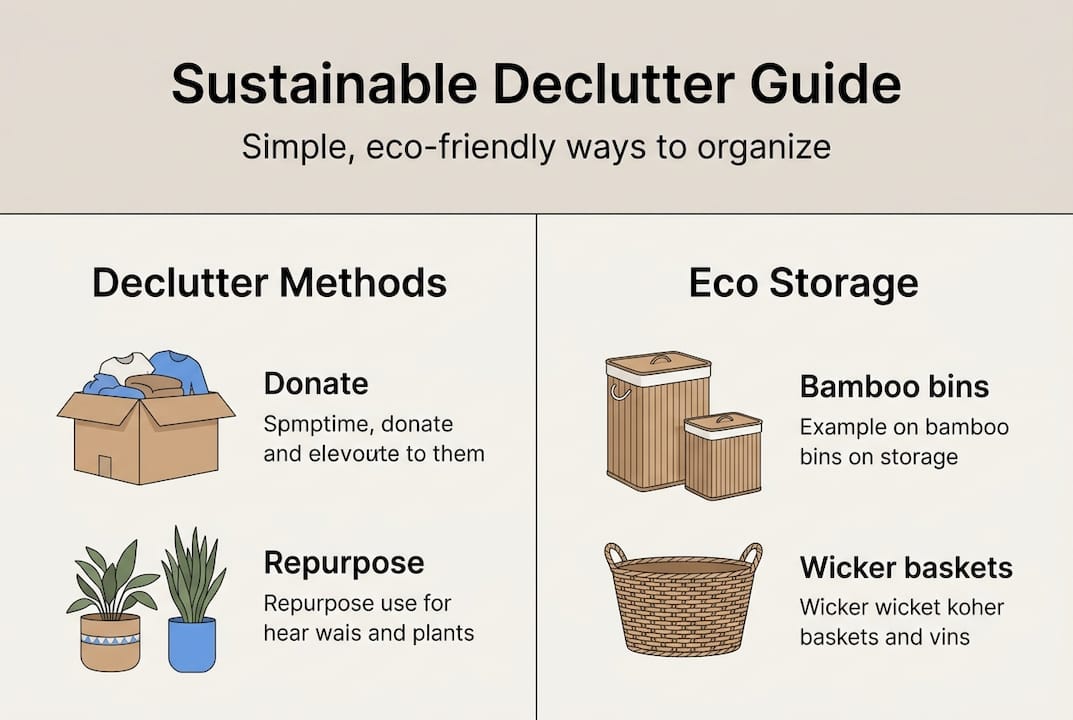
Sustainable decluttering prioritizes donating, repurposing, and recycling over simply throwing things away. This approach reduces landfill waste and gives your belongings a second life, which can actually make the process feel more meaningful and less guilt-ridden.
Follow this step-by-step process to declutter with intention:
- Sort first, decide later. Group items into categories: keep, donate, repurpose, recycle, and trash. Don’t make individual decisions on the fly.
- Donate usable items. Clothing, furniture, and kitchenware in good condition can go to local shelters, thrift stores, or community groups.
- Repurpose creatively. Old jars become storage containers. Worn t-shirts become cleaning rags. Think before you toss.
- Recycle what’s left. Electronics, paper, glass, and certain plastics all have dedicated recycling streams. Use them.
- Trash only what truly has no other option. This should be the smallest pile by far.
For storage, choose natural materials like wicker baskets, bamboo organizers, and linen bins. These materials are biodegradable, visually calming, and far more sustainable than plastic bins. They also add a warm, natural texture to your space that supports a sense of calm.
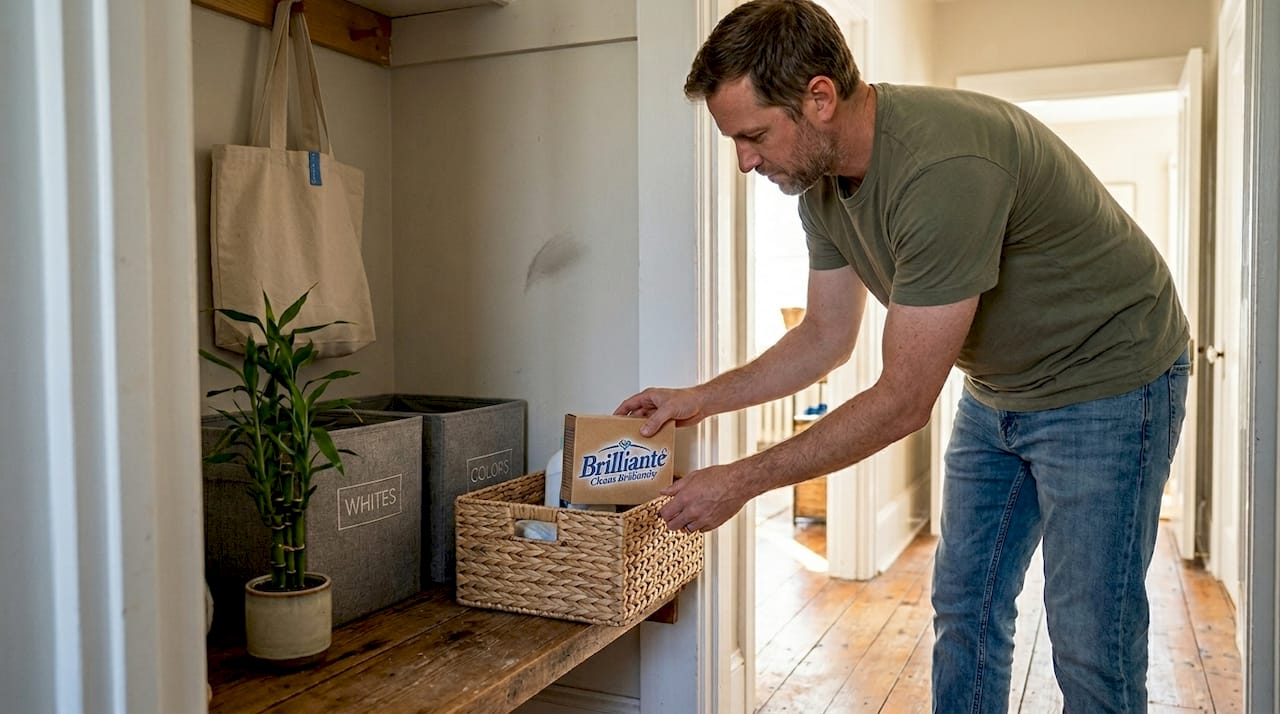
Here’s how traditional and eco-friendly decluttering compare:
| Approach | Traditional | Eco-friendly |
|---|---|---|
| Primary disposal method | Trash bags | Donate, recycle, repurpose |
| Storage materials | Plastic bins | Wicker, bamboo, linen |
| Environmental impact | High waste | Minimal waste |
| Emotional outcome | Quick but guilt-prone | Intentional and satisfying |
| Long-term sustainability | Low | High |
For a deeper look at sustainable home organization, this sustainable decluttering guide offers excellent practical strategies.
Pro Tip: Adopt the “one-in, one-out” rule. Every time something new enters your home, one item leaves. This simple habit prevents re-accumulation and keeps your space consistently calm without requiring big purges.
When you reduce stress and improve well-being through sustainable habits, the results compound over time. Small, consistent choices add up to a genuinely calmer home.
Biophilic design: Harnessing nature for indoor stress relief
Nature doesn’t only belong outside. Here’s how to make your home a soothing haven with biophilic design, the practice of bringing natural elements indoors to support your mental and physical health.
Biophilic elements like houseplants and natural light actively lower cortisol, reduce blood pressure, and slow heart rate. These aren’t subtle effects. They’re measurable physiological shifts that happen simply by changing what surrounds you.
Quick wins for adding nature to your home:
- Place low-maintenance houseplants like pothos, snake plants, or peace lilies in living areas and bedrooms
- Open blinds and curtains during daylight hours to maximize natural light exposure
- Use nature-inspired colors: soft greens, warm browns, and sky blues on walls or textiles
- Add a small water feature or tabletop fountain for ambient sound
- Choose wood, stone, or clay decor over synthetic materials
- Hang nature photography or botanical prints in high-traffic areas
Statistic: Exposure to natural light and greenery indoors can reduce cortisol levels and improve mood within minutes of exposure, according to biophilic design research.
One often-overlooked strategy is aromatherapy from real plant sources. Lavender, eucalyptus, and peppermint essential oils derived from actual plants carry genuine calming properties. Diffuse them while you clean or organize to layer a sensory benefit on top of your routine.
You can also enhance natural light in your home by keeping windows clean and using light-reflecting surfaces strategically. A sparkling chandelier or clean mirror near a window can double the effect of available daylight.
Pro Tip: Pair your aromatherapy practice with your cleaning routine. Diffuse calming essential oils while you tidy up, and your brain will start to associate cleaning with relaxation rather than obligation.
Mindful cleaning routines: Turning chores into self-care
Organization and biophilic design set the scene, but the way you clean can build on those calming foundations. Mindful cleaning is about being fully present during the task rather than rushing through it with resentment.
Here’s a simple mindful cleaning routine to try:
- Set the mood before you start. Play calming music or a podcast you enjoy. Light a candle or diffuse an essential oil.
- Choose non-toxic, eco-friendly cleaners. Harsh chemical smells increase stress. Natural cleaners keep the sensory experience pleasant.
- Work room by room, slowly. Focus on one space at a time. Notice the transformation as you go.
- Engage your senses intentionally. Feel the texture of surfaces, smell the clean scent, see the order you’re creating.
- End with a moment of appreciation. Stand in the clean space for 30 seconds and simply notice how it feels.
“Mindful cleaning routines release endorphins and can reduce cortisol by up to 20%, especially when paired with sensory elements like music and aromatherapy.”
This approach works because it shifts cleaning from a task you endure to an experience you choose. That mental reframe changes your body’s response to it entirely.
Using an eco-friendly cleaning checklist can also help you stay organized and intentional without feeling overwhelmed. When you know exactly what needs doing, the process feels manageable rather than endless.
Pro Tip: Keep a small basket of your favorite eco-friendly cleaning supplies in a visible spot. When cleaning feels accessible and pleasant, you’re far more likely to do it regularly and enjoy the process.
Maintaining your sanctuary: Long-term habits for stress-free living
Sustainable calm isn’t about one big change. It’s ongoing, simple habits that keep your sanctuary stress-free week after week.
The one-in, one-out rule and clear zones prevent clutter from creeping back in. Clear labels on bins and baskets also support neurodiverse household members who benefit from explicit visual cues about where things belong. Inclusive organization isn’t just kind. It’s effective for everyone.
Top maintenance habits for lasting calm:
- Do a 10-minute tidy-up every evening before bed
- Schedule a weekly reset of high-traffic areas like the kitchen and entryway
- Commit to a monthly deep clean of one room at a time
- Declutter seasonally, especially before holidays when new items tend to arrive
- Assign clear zones for every category of item in your home
- Share household responsibilities openly to reduce mental load imbalances
“When household responsibilities are shared equitably, everyone’s mental health improves. No single person should carry the invisible weight of maintaining a calm home.”
Dividing responsibilities fairly is especially important because the mental load of home management falls disproportionately on women. Naming this openly and redistributing tasks is one of the most impactful things a household can do for collective well-being.
Remember, decluttering reduces home stress most effectively when it becomes a shared, ongoing practice rather than a solo, occasional event. Build it into your household culture, not just your personal to-do list.
Start your stress-free, eco-friendly home journey
You’ve learned how clutter raises cortisol, how sustainable decluttering creates lasting calm, and how mindful cleaning can become genuine self-care. The next step is making sure every part of your home supports that peace, including the details you might overlook.
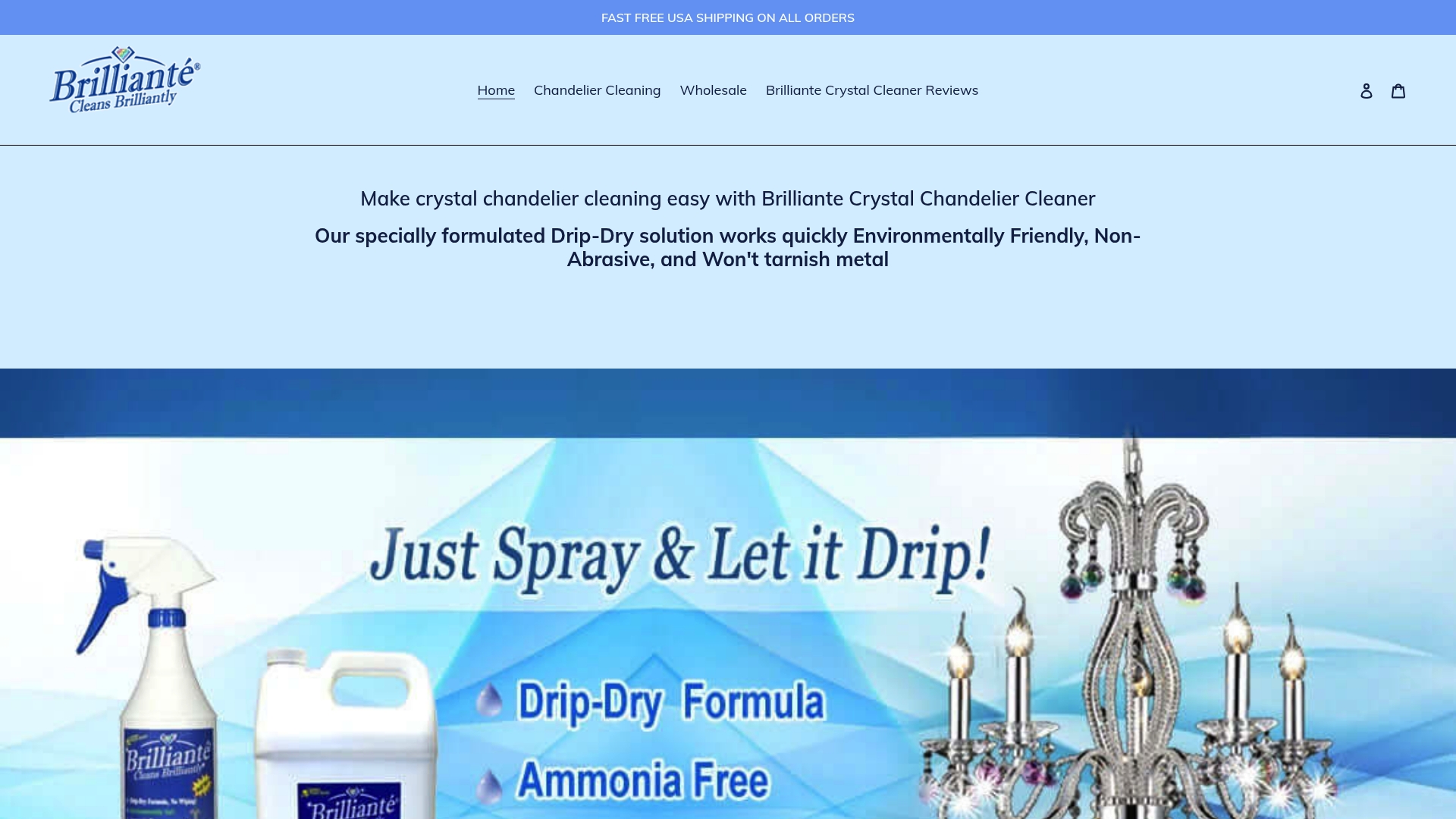
At Brilliante Crystal Chandelier Cleaner, we believe a calm home deserves to shine in every corner. Our eco-friendly home cleaning services include our proudly USA-made, drip-dry chandelier cleaner that is non-abrasive, won’t tarnish metal, and is completely environmentally friendly. Just spray and let it drip. No scrubbing, no stress. When your light fixtures sparkle, natural light fills your space more beautifully, amplifying every biophilic and organizational effort you’ve made. Rated number one by hundreds of satisfied customers, it’s the effortless finishing touch your sanctuary deserves.
Frequently asked questions
How does clutter affect my mental health?
Clutter significantly increases stress by elevating cortisol and reducing your overall sense of well-being, which directly impacts your mood and how safe and comfortable you feel at home.
What are the best eco-friendly ways to declutter?
Sustainable decluttering prioritizes donating, repurposing, and recycling over throwing things away, and using natural materials like bamboo and wicker for storage keeps your space calm and planet-friendly.
Can houseplants really help with stress at home?
Yes. Houseplants and natural light actively lower cortisol and create a measurably calmer indoor environment, making them one of the easiest and most effective stress-relief tools available.
How does mindful cleaning reduce stress?
Mindful cleaning releases endorphins and can reduce cortisol by up to 20%, especially when you pair the routine with aromatherapy, music, and non-toxic eco-friendly products.