
How to remove water marks from crystal chandeliers safely
That foggy, dull film creeping across your chandelier’s crystals is one of the most frustrating things to discover, especially when you know how stunning it looked before. Water marks are stubborn, and the wrong cleaning approach can make things permanently worse. This guide walks you through exactly what causes those mineral deposits, which tools and products are genuinely safe for crystal, and how to restore your fixture’s sparkle using eco-friendly methods that protect both your chandelier and your home environment. No harsh chemicals, no risky shortcuts, and no unnecessary disassembly required.
Key Takeaways
| Point | Details |
|---|---|
| Use the right solution | Mix isopropyl alcohol and distilled water for safe, streak-free cleaning. |
| Avoid harmful cleaners | Skip vinegar and ammonia to protect premium crystal from damage. |
| Try eco-friendly products | Choose ammonia-free, biodegradable cleaners for safer chandelier care. |
| Prevent future water marks | Install a water softener and set a regular cleaning schedule for lasting shine. |
Understanding water marks and their impact
Before jumping into cleaning, it’s important to understand why water marks form and why crystal requires extra care.
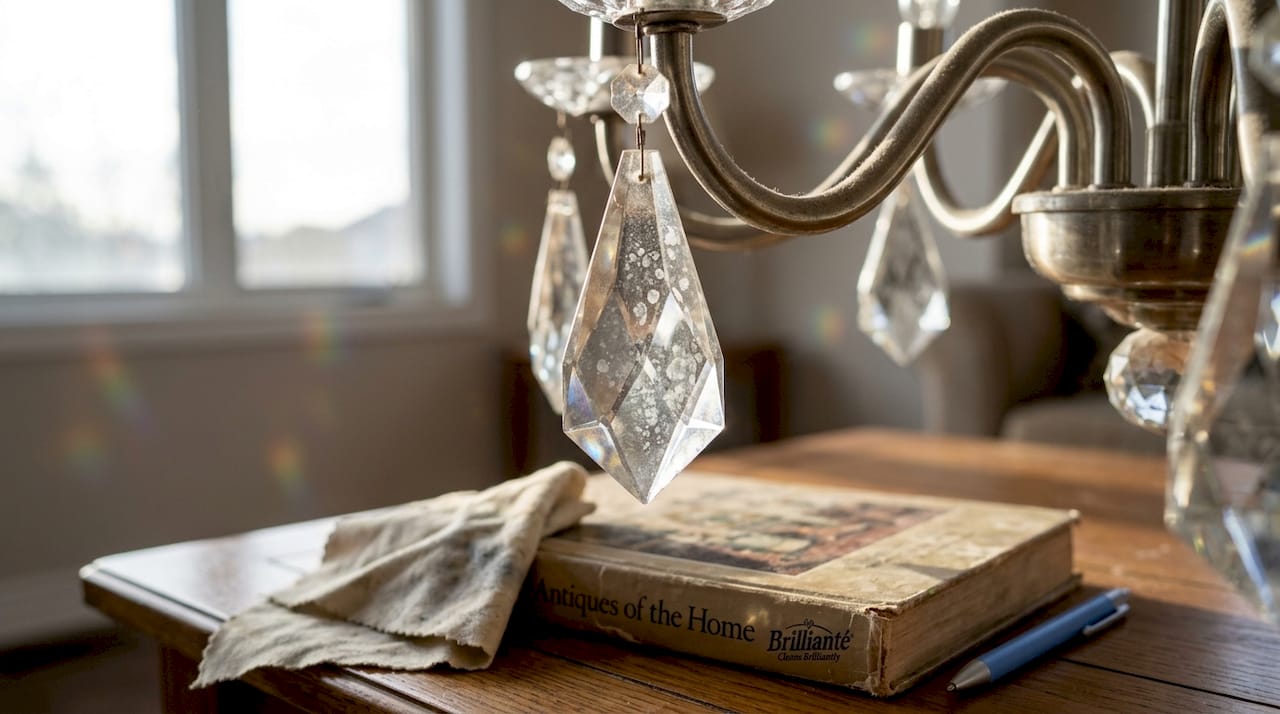
Water marks are not just surface dirt. They are mineral deposits, primarily calcium and magnesium, left behind when water evaporates on a surface. As calcium and magnesium deposits bond to crystal over time, they create a cloudy, frosted appearance that dulls even the most brilliant fixture. Unlike a smudge you can wipe away, mineral buildup actually adheres to the surface at a microscopic level.
Several factors increase your risk of heavy water mark buildup:
- Hard water supply: Homes with high mineral content in their tap water see deposits form faster and thicker.
- Improper cleaning products: Using the wrong cleaner can leave a residue that attracts more buildup.
- Infrequent maintenance: The longer deposits sit, the harder they bond to the crystal surface.
- High humidity areas: Kitchens and bathrooms create more moisture exposure for nearby fixtures.
Crystal chandeliers, especially those made with lead crystal or premium brands like Swarovski or Waterford, are uniquely vulnerable. Their surface is softer than standard glass, which means harsh chemicals can etch or permanently cloud the material. Removing film from crystal requires a gentler touch than most homeowners realize.
Neglected water marks do not just look bad. Over time, they can permanently alter the refractive quality of the crystal, meaning the fixture loses its ability to scatter light the way it was designed to. That signature sparkle becomes a memory. Understanding this risk is what makes choosing the right cleaning method so important. Fortunately, hard water stain solutions have improved significantly, and you have better options than ever before.
What you need: Safe, eco-friendly tools and materials
Recognizing the causes and risks, gather everything you need to safely tackle built-up water marks.
The right supplies make all the difference. Using distilled water is non-negotiable because tap water reintroduces the very minerals you are trying to remove. Isopropyl alcohol (70% concentration) is your best friend here. It evaporates cleanly, dissolves mineral deposits, and leaves no residue. You will also want soft microfiber cloths, a spray bottle, a drop cloth to protect flooring, and a stable ladder.

Not all cleaning agents are equal when it comes to crystal. Vinegar and ammonia-based cleaners should be avoided on lead crystal due to the risk of etching. Here is a quick comparison to help you choose wisely:
| Cleaning agent | Pros | Cons |
|---|---|---|
| Distilled water + isopropyl alcohol | Safe, effective, no residue | Requires mixing |
| White vinegar | Inexpensive, widely available | Can etch lead/Swarovski crystal |
| Ammonia-based cleaners | Strong degreaser | Damages premium crystal, toxic fumes |
| Commercial eco-safe spray (e.g., Brilliante) | Ammonia-free, non-toxic, safe for Waterford/Swarovski | Costs more than DIY mix |
Avoid these supplies entirely:
- Paper towels: Too abrasive and leave lint behind.
- Tap water: Reintroduces mineral deposits immediately.
- Dish soap (especially Dawn): Leaves a filmy residue that attracts dust.
- Glass cleaner sprays with ammonia: Risk of permanent crystal damage.
Pro Tip: Always use distilled water, even for rinsing. A single splash of tap water during the process can undo your work and leave fresh spots behind.
For a deeper look at spray options that skip the mixing entirely, crystal cleaner spray solutions offer a convenient and safe alternative that many homeowners prefer. The spray-and-drip technique has become the gold standard for in-place chandelier cleaning, and having the right product makes it effortless.
Step-by-step: Removing water marks from crystal chandeliers
Now that you have everything in place, follow these steps to safely bring back your chandelier’s brilliance.
Safety first: Always turn off and unplug your chandelier before cleaning. Allow bulbs to cool completely. Use a stable, non-slip ladder and never lean or overreach. If the fixture is very high or heavily soiled, consider professional help.
- Lay down your drop cloth directly beneath the chandelier to catch drips and protect flooring.
- Mix your solution in a spray bottle: one part isopropyl alcohol to three or four parts distilled water for standard marks. For heavier buildup, increase the alcohol ratio slightly.
- Spray generously on each crystal, coating the entire surface. The alcohol/distilled water spray-and-drip method works by dissolving mineral deposits and carrying them off as the liquid drips away. No wiping needed.
- Allow the solution to drip completely off each crystal. Do not rush this step. The drip action is what removes the dissolved minerals.
- For greasy kitchen fixtures, do a light hand-wipe pre-wash with a damp microfiber cloth before spraying to remove grease film first.
- Inspect each crystal as it dries. Hold a flashlight at an angle to catch any remaining spots.
Here is a quick reference for solution ratios:
| Situation | Alcohol ratio | Distilled water ratio |
|---|---|---|
| Light water marks | 1 part | 4 parts |
| Moderate buildup | 1 part | 3 parts |
| Heavy mineral deposits | 1 part | 2 parts |
For ammonia-free, no-wipe, eco-safe results, a commercial product like Brilliante follows the exact same spray-and-drip process without any mixing required. You can also safely remove crystal film using these methods on both modern and antique fixtures. For additional best crystal cleaning practices, cross-referencing trusted sources helps you stay confident in your approach.
Pro Tip: Check the drip run-off on your drop cloth. If it looks milky or white, minerals are being lifted successfully. Clear drips mean the crystal is already clean or the solution needs to be stronger.
Troubleshooting, prevention, and long-term care
Even with the right method, you may encounter stubborn marks or wish to avoid future issues. Here’s how to handle both.
Common problems and their fixes:
- White streaks after drying: You used tap water or wiped too soon. Re-spray with distilled water and let it drip fully.
- Cloudy spots that won’t lift: The mineral deposit has been there too long. Apply a stronger alcohol ratio and repeat the spray-and-drip process twice.
- Residue after cleaning: Dish soap or an ammonia cleaner was used previously. A thorough alcohol/distilled rinse usually clears this up.
- Crystal looks dull even after cleaning: Etching may have occurred from a previous harsh cleaner. At this point, professional polishing may be the only fix.
Prevention is far easier than correction. Many US homes have hard water, which means recurring mineral buildup is common without proactive steps. A whole-home water softener dramatically reduces future deposits on all your fixtures, not just your chandelier.
For regular maintenance, set a cleaning schedule based on your environment. Most homes do well with twice-yearly cleanings. Kitchens and hard water areas benefit from quarterly attention. Quick spot removal right after any moisture exposure prevents deposits from bonding deeply.
For chandeliers in natural grease cleaning situations, like above a kitchen island, a light monthly wipe-down of the frame with a dry microfiber cloth keeps grease from accumulating between deeper cleans. You can also reference removing hard water stains resources for broader strategies that complement your chandelier care routine.
Pro Tip: If your chandelier hangs more than 12 feet off the ground or has hundreds of crystals, call a professional. The cost of a professional cleaning is far less than replacing damaged crystals or recovering from a fall.
Our take: Why eco-safe chandelier care pays off
Taking all this into account, here’s what most guides overlook and what actually works in the real world.
Most cleaning articles still recommend vinegar or a drop of Dawn dish soap as quick fixes. We understand the appeal. They are cheap and already in your cabinet. But the homeowners who follow that advice and then contact us are usually dealing with etched crystal, stubborn residue, or a fixture that looks worse than before they started. Shortcuts cost more in the long run, especially with heirloom-grade or premium crystal.
What we have seen from real user feedback is telling. Brilliante users report strong, lasting results with easy maintenance over time. That kind of longevity does not come from aggressive cleaning. It comes from gentle, consistent, eco-safe care that respects the material.
The spray-and-drip approach, whether you mix your own or use a commercial no-wipe product, eliminates the biggest risk in chandelier cleaning: physical contact with fragile crystal. Less handling means fewer chips, fewer scratches, and less time on a ladder. For crystal cleaning best practices that stand the test of time, gentle and proactive always beats aggressive and reactive.
Restore your chandelier’s brilliance easily
If you are ready to make chandelier cleaning simple, efficient, and safe for your home, here is the next step.
You have done the hard work of learning what actually protects your crystal. Now it is time to put the right product in your hands. Brilliante Crystal Cleaner is proudly made in the USA, ammonia-free, non-toxic, and specially formulated for the spray-and-drip method that makes cleaning effortless. No mixing, no wiping, no risk to your premium crystals.
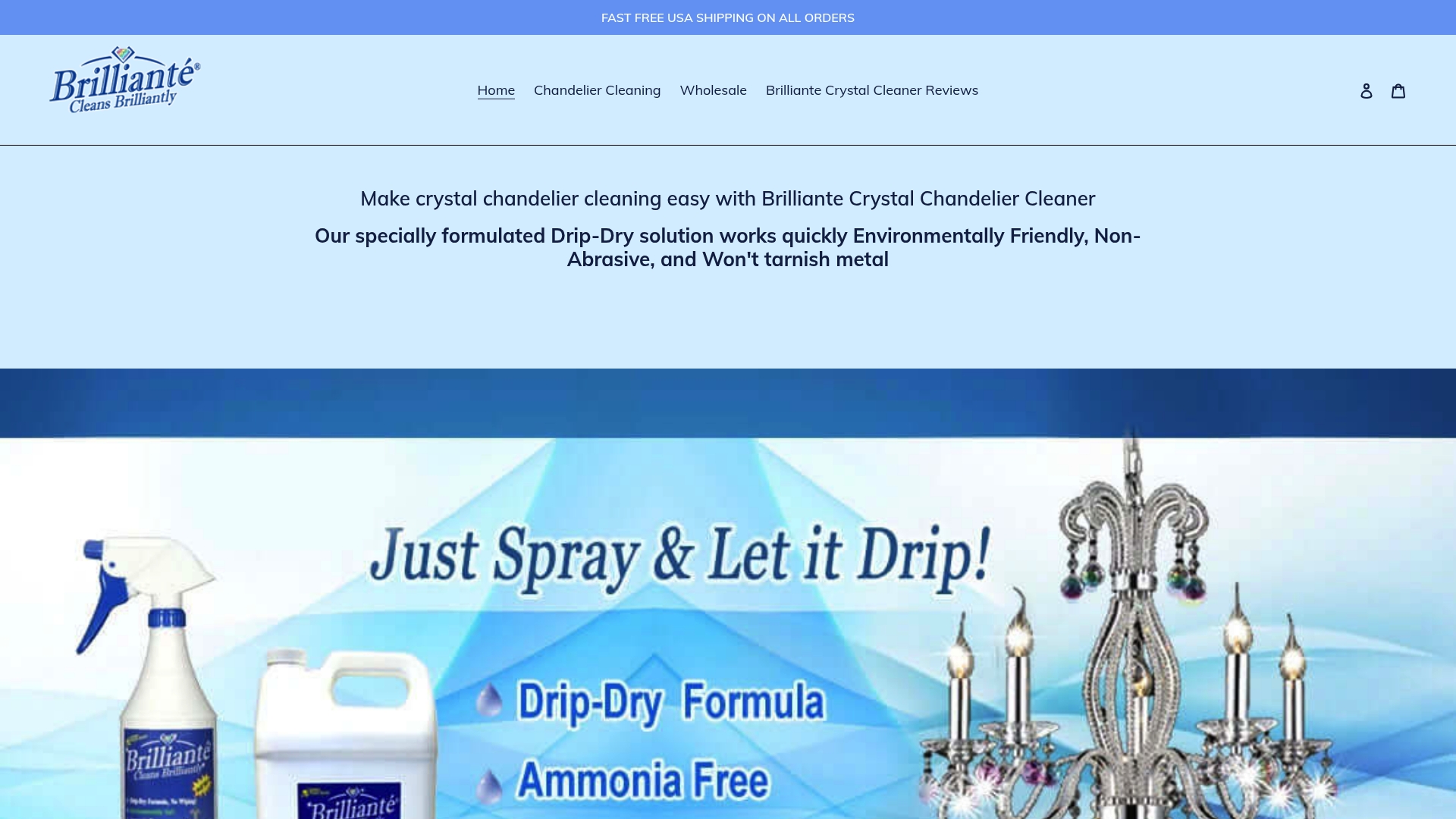
Brilliante is an eco-friendly choice that delivers real results without the guesswork. Whether you have a small entryway fixture or a grand ballroom chandelier, explore easy crystal spray solutions and find the right fit for your home today.
Frequently asked questions
What is the best homemade solution for removing water marks from crystal chandeliers?
A mix of one part isopropyl alcohol to three or four parts distilled water is the primary method for water marks, applied using the spray-and-drip technique with no wiping required. It dissolves mineral deposits effectively without damaging crystal.
Can I use vinegar or ammonia to clean a crystal chandelier?
No. Vinegar and ammonia should not be used on premium crystals due to etching risk, and they can cause permanent clouding or surface damage, especially on lead and Swarovski crystal.
How often should I clean my crystal chandelier to prevent water marks?
For most homes, twice a year is enough, but kitchen chandeliers and hard water areas benefit from quarterly cleaning to prevent heavy mineral buildup from bonding to the surface.
Is there an eco-friendly commercial product for chandelier cleaning?
Yes. Products like Brilliante are ammonia-free, non-toxic, and safe for high-end crystal brands including Waterford and Swarovski, with no mixing or wiping needed.
How do I prevent water marks from returning on my chandelier?
Using softened water and maintaining a regular cleaning schedule are the most effective strategies. A water softener prevents recurring mineral buildup across your entire home, not just your chandelier.