
How to care for lead crystal: clean, store, and protect
TL;DR:
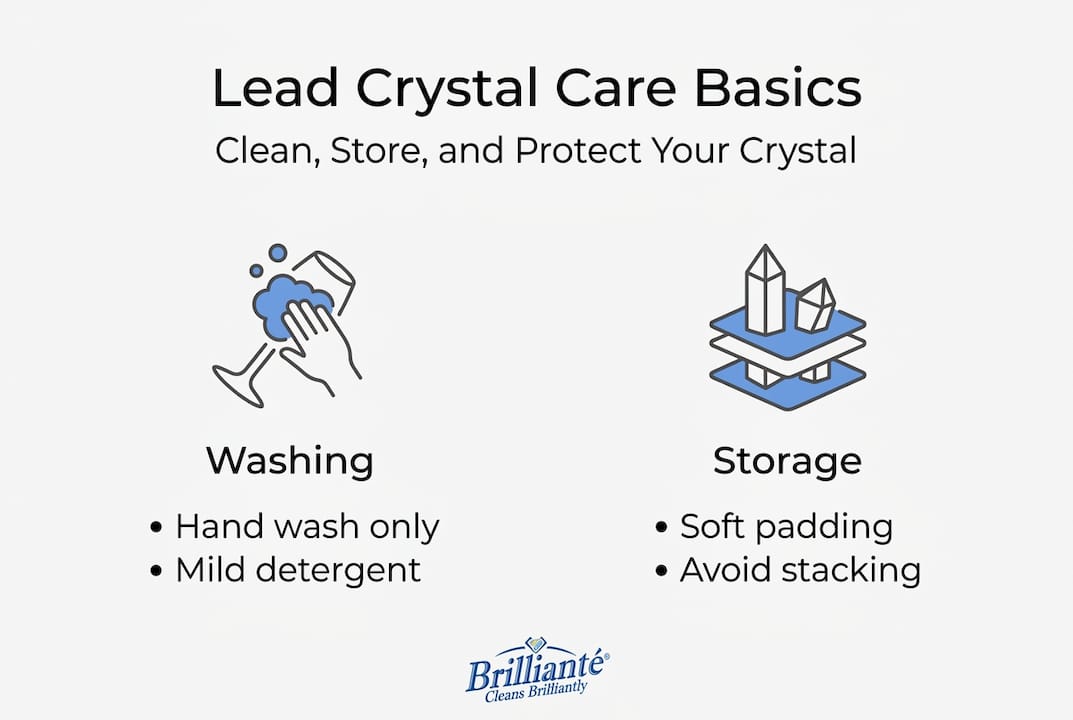
- Proper lead crystal care involves gentle hand washing, air drying, and careful storage.
- Avoid using hot water, abrasive materials, or dishwashers to prevent damage and clouding.
- Regular cleaning and handling practices can significantly extend the life and brilliance of your crystal.
Lead crystal sitting in your cabinet deserves better than a quick rinse in a soapy sink. Most homeowners treat their finest crystal the same way they handle everyday glassware, and that single habit slowly strips away the sparkle that made the piece worth owning in the first place. Lead crystal is engineered for brilliance, not rugged everyday use, and it responds poorly to heat, abrasion, and harsh chemicals. This guide walks you through exactly what you need to know to keep your crystal looking as stunning as the day you received it, without guesswork or costly mistakes.
Key Takeaways
| Point | Details |
|---|---|
| Gentle hand washing | Always use plastic basins and mild detergent to protect lead crystal from chips and scratches. |
| Avoid dishwashers | Dishwashers, even on gentle cycles, can dull and damage delicate crystal surfaces over time. |
| Specialty care for decanters | Never store liquid for long periods in crystal decanters and always dry thoroughly with the stopper off. |
| Long-term safety | Proper cleaning and storage ensure both safety and beauty for generations to come. |
Understanding lead crystal: what makes it unique
To care for something properly, you need to understand what it actually is. Lead crystal is not the same material as your everyday drinking glasses. It is a type of glass that contains lead oxide, typically at concentrations of at least 24%, and that lead content is what gives fine crystal its signature weight, clarity, and ability to catch and refract light so brilliantly. When you hold a lead crystal wine glass up to a window and it throws tiny rainbows across the wall, that is the lead oxide working its magic.
The same properties that create that dazzling sparkle also make lead crystal more vulnerable than regular glass. It is softer, more porous, and far more susceptible to scratching, chipping, and clouding when exposed to the wrong cleaning conditions. A detergent that works perfectly on your dinner plates can leave a permanent haze on a lead crystal vase. Hot water can cause microscopic stress fractures. A single collision against a hard sink edge can chip a rim that took an artisan hours to cut.
You can learn more about what is lead crystal and how its composition affects everyday care, but here is a quick comparison to show you what you are dealing with:
| Property | Regular glass | Lead crystal |
|---|---|---|
| Lead oxide content | 0% | 24% or higher |
| Light refraction | Low | High (brilliant sparkle) |
| Surface hardness | Harder | Softer, more vulnerable |
| Chip risk | Low | Higher, especially at rims |
| Cloudiness risk | Low | High without proper care |
| Weight | Lighter | Noticeably heavier |
A few key risks to keep in mind at all times:
- Chips and cracks happen quickly against hard surfaces
- Clouding forms when mineral deposits or detergent film build up on the softer surface
- Lead leaching is a concern when acidic liquids like wine or citrus sit in crystal for extended periods
- Scratches from abrasive cloths or pads are permanent and visible
One thing worth addressing directly: lead safety. Many homeowners worry about using lead crystal at all. The good news is that lead crystal poses no significant health risk if you wash pieces thoroughly after use and avoid storing acidic liquids in them long-term. Regular use, with proper cleaning, is perfectly safe.
“Lead crystal has been used by families for generations. With proper washing and thoughtful use, it remains a safe and treasured part of the home.”
How to clean lead crystal safely at home
Now that you know what makes lead crystal unique, here is the safest way to clean it properly, from setup to drying.

The number one rule: never clean lead crystal directly in your kitchen sink. Hard porcelain or stainless steel surfaces are chip hazards, and a single clumsy moment can crack a rim worth hundreds of dollars. Instead, use two plastic basins: one filled with warm soapy water for washing, and one with clean warm water for rinsing. Place a soft towel on your counter as a drying area before you even begin.
Step-by-step cleaning process:
- Fill one plastic basin with warm (not hot) water and a few drops of mild dish detergent.
- Fill a second plastic basin with clean, warm rinse water.
- Place a folded towel on the counter for a landing spot.
- Wash one piece at a time. Never crowd multiple pieces into one basin together.
- Hold each piece by the bowl, not the stem. Stems are the most fragile part and twisting pressure can snap them.
- Use a soft cloth or lint-free sponge to gently clean the surface. No scrubbing.
- Rinse gently in the second basin, making sure all soap is removed.
- Set the piece on the towel and let it air dry naturally, or blot lightly with a clean microfiber towel using minimal pressure.
Pro Tip: Lay a rubber mat at the bottom of each plastic basin. This adds an extra layer of cushion if you accidentally bump the crystal against the side while washing.
Common mistakes vs. the right approach:
| Common mistake | What to do instead |
|---|---|
| Washing in a porcelain sink | Use two plastic basins |
| Stacking multiple pieces to wash | Wash one piece at a time |
| Holding by the stem | Hold by the bowl |
| Using hot water | Stick to warm water |
| Scrubbing with abrasive pads | Use a soft cloth only |
| Machine drying or rough toweling | Air dry or blot with microfiber |
On the dishwasher question: it is tempting, especially after a dinner party when you have twelve crystal glasses to clean. But the dishwasher’s heat and detergent combination is damaging to lead crystal over time, even on the gentle cycle. The high heat causes cloudiness and can weaken the structure of the piece. Hand washing is the only method that consistently preserves both the cuts and the brilliance of your crystal.
For crystal cleaning tips that go beyond basic glassware and into chandelier care, the same gentle principles apply across all lead crystal surfaces. And if you are dealing with stubborn water marks, there are safe methods for removing water marks from crystal without resorting to harsh chemicals.
For homeowners who prefer environmentally responsible approaches, safe cleaning solutions designed for delicate surfaces show that gentle and effective can absolutely go hand in hand.
One important statistic: studies on fine crystal longevity suggest that pieces consistently washed by hand last significantly longer without cloudiness or surface degradation than those run through a dishwasher even occasionally. That small habit shift over years makes a dramatic difference in how your crystal looks and how long it lasts.
Lead crystal decanters and special care tips
Cleaning isn’t the only challenge. Decanters and similar specialty pieces have their own unique needs that differ from typical crystal glasses or vases, and getting this wrong can permanently stain or damage them.
The biggest issue with decanters is timing. Because they hold wine, spirits, and other liquids that can be acidic, every hour you leave liquid sitting inside creates more opportunity for staining and surface interaction. The rule is simple: rinse your decanter immediately after use. Do not wait until morning.
For general decanter maintenance, rinse immediately after use, avoid storing liquids long-term inside, use kitchen roll to absorb interior moisture, and store with the stopper off so air can circulate and the interior dries completely.
Decanter dos and don’ts:
- Do rinse with warm water immediately after each use
- Do use kitchen roll or paper towels to absorb as much interior moisture as possible
- Do store your decanter with the stopper removed so it can air dry fully
- Do clean the exterior gently with a soft cloth and mild detergent
- Don’t store wine, port, or spirits in your decanter for more than a few hours
- Don’t use ice or very cold water inside, as temperature extremes stress the crystal
- Don’t use bottle brushes with hard bristles, as they can scratch the interior
- Don’t stack the stopper inside the decanter for storage
For long-term storing crystal for safety, the same logic applies: protect from temperature extremes, avoid pressure on rims, and keep pieces separated with padding to prevent contact chips.
Pro Tip: If your decanter already has a cloudy or stained interior from wine residue, fill it with warm water and a small amount of white vinegar and let it soak for 20 to 30 minutes. This gently loosens mineral deposits and organic stains without scratching the surface. Rinse thoroughly with clean water afterward.
The neck of a decanter is one of the most fragile points in all of crystal care. Never apply twisting pressure to the neck during cleaning, never force a stopper that feels stuck, and never grab the neck as your primary hold when moving the piece. Always support the base.
Common mistakes and how to avoid them
After reviewing specialty care, it is important to recognize what not to do. The most costly lead crystal mistakes are completely avoidable, and most of them come from habits that work fine with regular glass but are genuinely damaging to crystal.
The most frequent offenders:
- Twisting the stem while washing or drying. This applies lateral stress to the weakest point and eventually causes cracking or snapping.
- Using hot water. Hot water expands the crystal rapidly and creates microscopic internal stress. Warm water is always the right choice.
- Leaving acidic liquids in crystal. Citrus juice, wine, and vinegar-based dressings interact with the lead content when stored for extended periods. Pour, use, rinse.
- Using abrasive cloths or scouring pads. These create surface scratches that cloud the appearance permanently.
- Running crystal through the dishwasher regularly. Even experts who allow occasional cautious dishwasher use on a gentle cycle with no detergent acknowledge that the consensus among professionals is hand washing only to preserve cuts and brilliance over the long term.
- Stacking glasses for storage. Rims chip easily when glasses are stacked directly on top of each other.
“The damage we see most often on fine crystal comes not from accidents but from routine habits that were never corrected. Clouding, chips at the rim, and snapped stems are almost always preventable.”
If you want a deeper look at what learn more about lead crystal care really involves over a lifetime of ownership, the difference between crystal that ages beautifully and crystal that clouds and chips usually comes down to three repeated habits: washing correctly, drying gently, and storing thoughtfully.
Bold choices matter here. Never use a dishwasher as your default. Always wash one piece at a time. Always support the bowl, never the stem, when moving pieces. These are small decisions that compound over years into either beautiful crystal or damaged heirlooms.
Why most people overcomplicate lead crystal care
Here is a perspective that might surprise you: lead crystal care is actually one of the simplest routines in your home, once you stop overthinking it.
Most homeowners approach their crystal with a kind of nervous reverence that leads them to do one of two things. Either they avoid using it at all, letting beautiful pieces sit in a cabinet for years, or they eventually decide it is “too much trouble” and throw it in the dishwasher because that feels like a reasonable compromise. Both of these are worse than the straightforward middle ground.
The truth is that Garrard, one of the most respected luxury crystal brands, emphasizes natural air drying and minimal microfiber pressure as the gold standard. That’s it. Warm water, mild soap, gentle hands, and time. No special equipment, no elaborate rituals.
The myth that you need expensive crystal cleaning kits or specialized detergents has been perpetuated by marketing, not by actual crystal care experts. What genuinely matters is what you avoid, not what you add. Avoid heat. Avoid abrasion. Avoid twisting. Avoid the dishwasher. Those four habits alone will protect your crystal better than any product.
The modern myth that “gentle cycle, no detergent” in a dishwasher is acceptable for lead crystal is particularly worth calling out. Yes, some pieces survive a few dishwasher cycles without visible damage. But the surface degradation is happening at a microscopic level long before it shows up as cloudiness. By the time you see the haze, significant wear has already occurred. The differences in crystal care between hand washing and machine washing are not theoretical. They show up in how your crystal looks and performs over a decade of use.
Simplify your approach. Use gentle hands. Let your crystal air dry. Store pieces separately with padding. That routine takes less than five minutes per piece and will keep your crystal brilliant for decades.
Restore your crystal’s shine with the trusted expert solution
Following this guide will protect your lead crystal through daily use and routine cleaning. But sometimes pieces need more than hand washing to get their full sparkle back, especially chandeliers, sconces, and decorative crystal that accumulates fine dust and film between deep cleans.
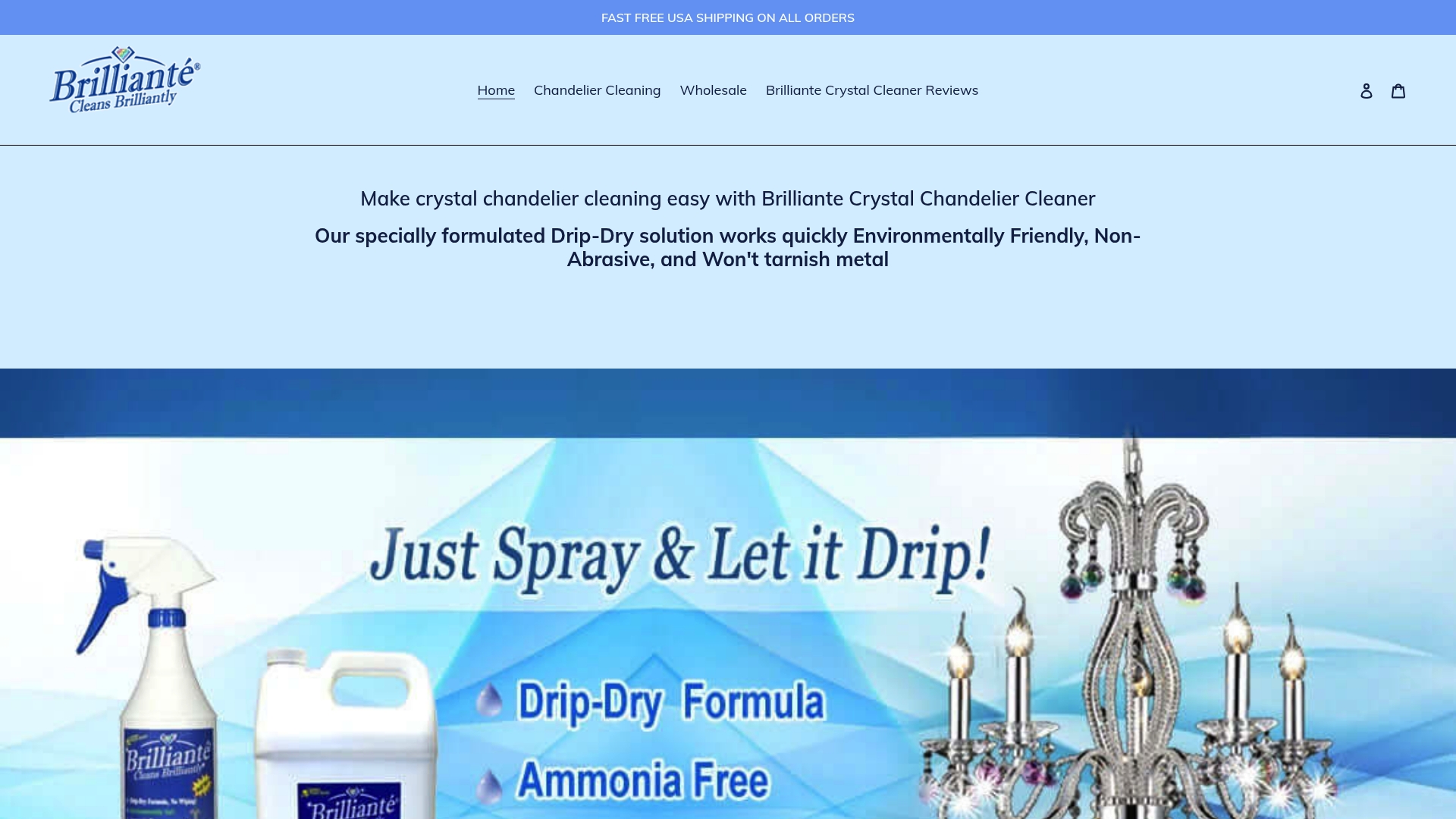
That is where Brilliante Crystal Cleaner comes in. Brilliante is a specially formulated drip-dry spray solution designed for exactly this kind of crystal care. You simply spray it on and let it drip dry. No rubbing, no pressure, no risk of scratching your delicate surfaces. It is non-abrasive, environmentally friendly, won’t tarnish metal fixtures, and is proudly made in the USA. Hundreds of homeowners have rated it as their number one solution for restoring crystal brilliance without the work. When your crystal deserves the best routine care possible, Brilliante is the natural next step.
Frequently asked questions
Is it safe to drink from lead crystal glasses?
Yes, drinking from lead crystal is considered safe as long as you wash glasses thoroughly after each use and avoid storing acidic beverages in them for extended periods.
What’s the best way to store lead crystal items?
Store lead crystal pieces individually in padded boxes or soft-lined cases, away from direct sunlight and temperature extremes, to prevent chipping and preserve clarity.
Can lead crystal go in the dishwasher?
Most experts strongly recommend hand washing only, since even gentle dishwasher cycles can cause clouding, surface wear, and chipping over time that permanently dims the crystal’s brilliance.
How do I remove cloudy spots from lead crystal?
Gently wash the affected area with warm water and a small amount of mild dish soap using a soft cloth, then dry with a clean microfiber towel using light pressure to restore its natural clarity.
What’s the safest way to clean a crystal decanter?
Rinse the decanter immediately after use, use kitchen roll to absorb interior moisture, and air dry with the stopper removed to prevent staining and mold buildup inside.